June 20, 2026
Carbon monoxide safety is a critical concern for homeowners who rely on fuel-burning heating systems to maintain comfort throughout the year. Although heating equipment provides reliable warmth and convenience, it also requires proper operation, maintenance, and monitoring to help ensure household safety. Carbon monoxide is especially dangerous because it cannot be seen, smelled, or tasted, making it difficult to detect without specialized equipment.
For this reason, many homeowners look for professional guidance when managing their heating systems. Experienced residential fuel oil companies play an important role in helping homeowners understand potential safety concerns, maintain heating equipment, and develop preventive strategies that reduce risks associated with carbon monoxide exposure.
Understand Carbon Monoxide And Its Potential Risks
Carbon monoxide is a gas produced whenever fuel is burned. Furnaces, boilers, water heaters, and other fuel-burning appliances can generate carbon monoxide during normal operation. Under ideal conditions, these systems safely vent combustion gases outdoors. However, when equipment malfunctions or ventilation becomes compromised, carbon monoxide can accumulate inside the home.
One of the challenges associated with carbon monoxide is that it often develops without obvious warning signs. Unlike smoke or natural gas, it does not produce a noticeable odor that alerts occupants to a problem. As a result, homeowners may be unaware that unsafe conditions exist until a carbon monoxide alarm activates.
Understanding these risks is the first step toward prevention. Homeowners who recognize the importance of maintenance and monitoring are often better prepared to address potential concerns before they become serious.
Many residential fuel oil companies help customers learn about common carbon monoxide risks and explain how heating systems should operate under normal conditions. This education allows homeowners to make informed decisions regarding inspections, maintenance schedules, and safety planning.
Schedule Professional Heating System Inspections
Routine inspections are among the most effective ways to support safe heating system performance. Even well-maintained equipment experiences wear over time. Components may gradually deteriorate, connections can loosen, and small issues may develop that are difficult for homeowners to identify on their own.
Professional inspections allow trained technicians to evaluate system performance and identify conditions that could contribute to carbon monoxide concerns. During these evaluations, technicians examine critical components, assess combustion processes, and verify that equipment is functioning properly.
These inspections also provide opportunities to detect developing issues before they progress into larger problems. Addressing concerns early often supports safer operation while helping homeowners avoid unexpected disruptions during periods of heavy heating demand.
Working with residential fuel oil companies gives homeowners access to professionals who understand the unique requirements of fuel-burning heating systems. Their expertise helps ensure that equipment receives the attention necessary to maintain safe and dependable performance throughout the year.
In addition to improving safety, routine inspections often contribute to greater confidence in the overall condition of the heating system. Homeowners can feel reassured knowing that trained professionals have thoroughly evaluated their equipment and addressed any potential concerns.
Install And Maintain Carbon Monoxide Alarms
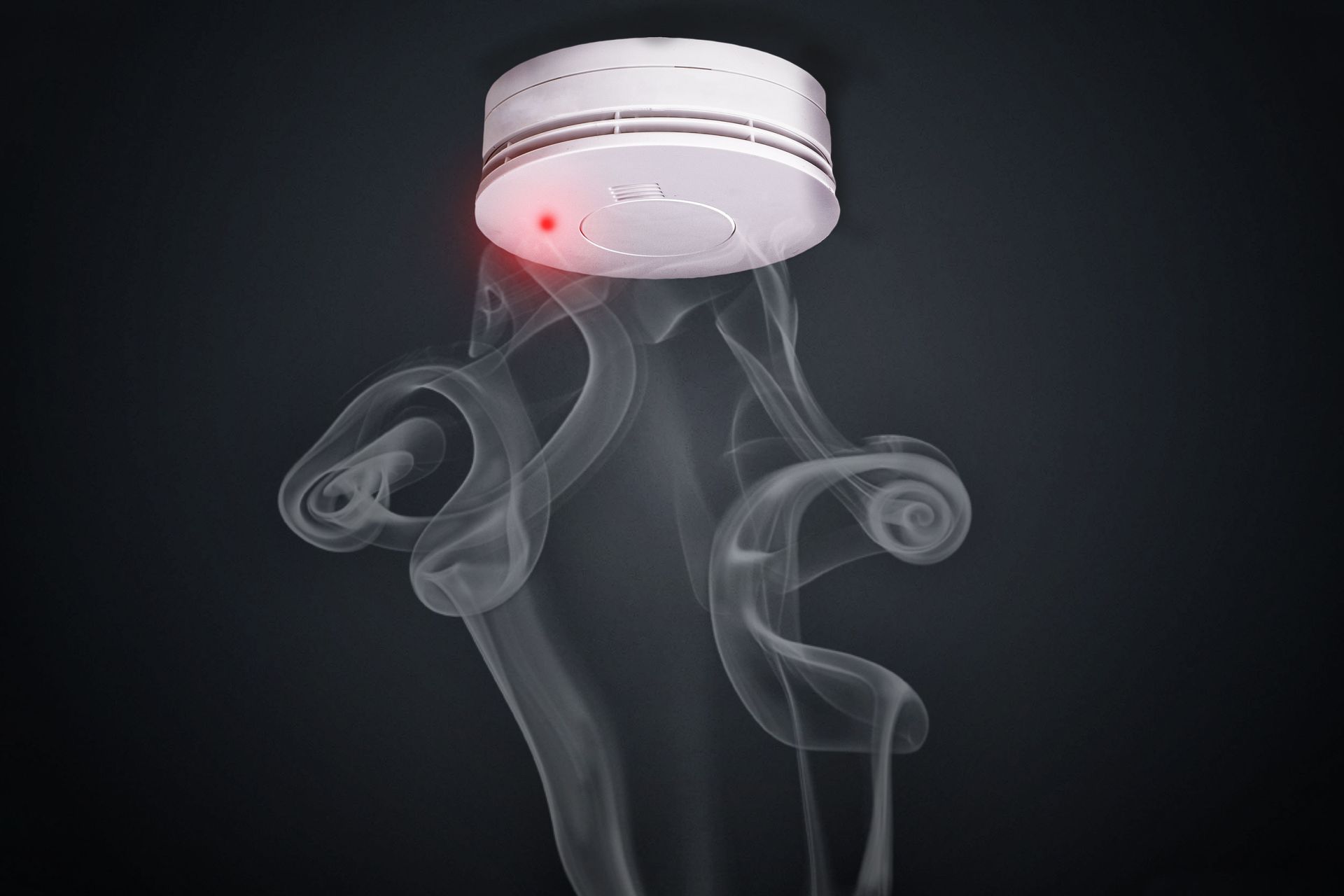
Carbon monoxide alarms are a vital component of any home safety strategy. Because carbon monoxide cannot be detected by human senses, alarms provide an important early warning system that alerts occupants when elevated levels are present.
Proper placement and maintenance of these devices are essential for maximizing their effectiveness. According to the EPA’s 2025 carbon monoxide poisoning fact sheet, homeowners should install alarms throughout all livable levels of the home, position them at least 15 feet away from fuel-burning appliances, and test them every month to verify proper operation.
While alarms play a critical role in identifying potential hazards, they should not be viewed as a substitute for professional maintenance. Instead, they function as part of a comprehensive safety approach that includes inspections, system evaluations, and ongoing monitoring.
Many residential fuel oil companies educate homeowners about the importance of alarm placement and routine testing. By helping customers understand how these devices support household safety, service providers contribute to more effective carbon monoxide prevention efforts.
Address Ventilation Issues Before They Escalate
Proper ventilation is one of the most important factors in preventing carbon monoxide buildup. Heating systems are designed to direct combustion gases away from living spaces through carefully engineered venting systems. When these pathways become restricted or damaged, the safe removal of exhaust gases may be compromised.
Ventilation issues can develop gradually over time. Aging components, environmental conditions, debris accumulation, and structural changes may all affect airflow and vent performance. Because many of these issues are not immediately visible, homeowners may not realize a problem exists until a professional inspection reveals it.
Addressing ventilation concerns promptly helps reduce the likelihood of unsafe conditions developing within the home. Trained technicians can evaluate venting systems, identify potential restrictions, and verify that airflow supports proper system operation.
Many residential fuel oil companies emphasize the importance of ventilation assessments as part of their maintenance programs. By examining both the heating equipment and the systems responsible for exhausting combustion gases, technicians can provide a more complete evaluation of overall safety conditions.
Prepare Heating Systems Before Seasonal Demand
Seasonal preparation is another important aspect of carbon monoxide safety planning. Heating systems often remain idle for extended periods before becoming heavily used during colder weather. This transition creates an ideal opportunity to inspect equipment and address any concerns before regular operation begins.
Preseason service appointments allow technicians to evaluate system condition, verify safe operation, and identify maintenance needs before heating demand increases. These inspections help ensure that equipment is prepared to perform efficiently and safely when homeowners rely on it most.
Seasonal planning also provides homeowners with opportunities to review maintenance schedules, discuss system performance, and ask questions about household safety practices. This proactive approach encourages ongoing awareness rather than waiting until a problem develops.
Experienced residential fuel oil companies often recommend scheduling service before peak heating season because it allows potential issues to be identified and resolved promptly. Homeowners who take preventive measures frequently experience greater peace of mind throughout the heating season.
Promote Household Awareness And Safety Planning
Carbon monoxide prevention involves more than equipment maintenance alone. Household awareness also plays a significant role in supporting a safe living environment. Family members should understand the purpose of carbon monoxide alarms and recognize the importance of responding appropriately if an alarm activates.
Creating a safety-focused mindset encourages homeowners to remain attentive to system maintenance and professional service recommendations. It also reinforces the value of regular inspections, alarm testing, and communication with qualified technicians.
Professional service providers can help homeowners strengthen their safety plans by offering educational resources and answering questions about heating system operation. These conversations often help clarify misconceptions while providing practical guidance tailored to the specific needs of the household.
Many residential fuel oil companies view customer education as an important part of their service. By sharing information about carbon monoxide risks, maintenance requirements, and safety best practices, they help homeowners make informed decisions that support long-term protection.
Carbon monoxide safety should remain a priority for every homeowner who relies on fuel-burning heating equipment. Although the risks associated with carbon monoxide can be serious, proactive planning and professional support can significantly improve household safety.
Routine inspections, proper ventilation, reliable alarm systems, seasonal maintenance, and ongoing education all contribute to a comprehensive prevention strategy. By addressing potential concerns before they escalate, homeowners can maintain greater confidence in the safety and performance of their heating systems.
Professional guidance remains one of the most valuable resources available to homeowners seeking to protect their families and maintain reliable heating equipment. Through regular service and preventive care, heating systems can continue operating safely while supporting comfort throughout the year.
If you are looking for dependable support with heating system maintenance, fuel delivery, and carbon monoxide safety planning, contact Metro Energy - M & T Oil Co. today. Together, we can help create a safer, more comfortable home through professional service, expert guidance, and a commitment to long-term customer care.